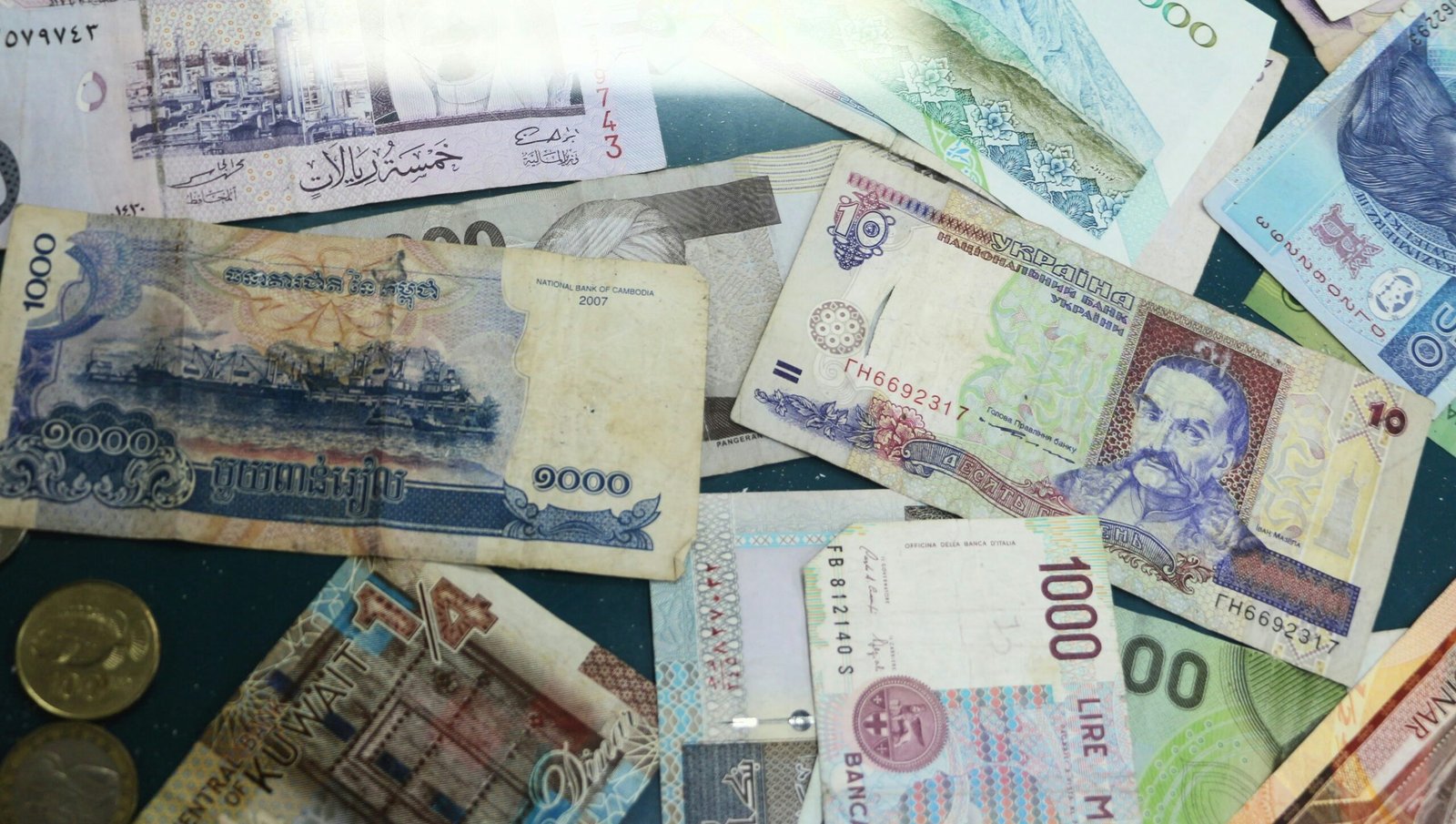
The Definition of Money
Money is fundamentally understood as a system or medium that facilitates the exchange of goods and services. As a critical instrument in an economy, it grades and measures value, allowing for transactions that might otherwise be complicated or inefficient. The primary roles of money can be categorized into three essential functions: it serves as a medium of exchange, a unit of account, and a store of value.
Firstly, as a medium of exchange, money enables individuals and businesses to conduct transactions without the need for direct barter, which requires a double coincidence of wants. Instead, money acts as an intermediary that is widely accepted, making it easier for parties to transact. For instance, when one purchases a coffee, they exchange currency for the drink, simplifying the process for both the buyer and the seller.
Secondly, money provides a unit of account, offering a common measure for valuing goods and services. This function allows individuals to compare prices easily, track financial performance, and establish contracts. Having standardized pricing promotes transparency and prevents disputes over what constitutes fair payment, reinforcing the importance of money in economic decision-making.
Lastly, money serves as a store of value, which means it can be saved and retrieved in the future for purchasing power. Unlike perishable items, money maintains its value over time, allowing individuals to retain wealth and make future purchases. This storage capability is essential for economic stability as it influences saving behavior and investment decisions within a society.
In essence, the definition of money extends beyond mere currency; it embodies a vital component of modern economies, underpinning virtually all aspects of economic interaction. Understanding money’s functions is crucial for appreciating its importance in daily life and broader economic contexts.
The History and Evolution of Money
The concept of money has undergone a significant transformation throughout history, shaping economies and societies across the globe. In its earliest form, money did not exist as a distinct entity; instead, people relied on barter systems to trade goods and services directly. This system, though functional, posed challenges such as the double coincidence of wants, where both parties had to desire what the other offered. As a solution, various cultures began using items that held intrinsic value, such as shells, salt, and spices, as mediums of exchange.
The next notable development in the history of money occurred with the advent of coins around the 7th century BCE. The Lydians, in what is now Turkey, are often credited with minting the first coins made of electrum, a natural alloy of gold and silver. Coins provided a standardized medium of exchange and represented a reliable store of value, further facilitating trade. Different civilizations, including the Greeks, Romans, and Chinese, adopted and adapted coinage, incorporating unique designs and materials to reflect their cultures and values.
As commerce evolved and became more complex, the limitations of metal currency necessitated the development of paper money. Emerging first in China during the Tang Dynasty (618-907 CE), paper currency was initially used as a promissory note representing value in gold or silver. The idea spread to Europe by the 17th century, with the establishment of banknotes serving as a convenient alternative to bulky coins.
The 20th century marked a significant turning point in the evolution of money with the introduction of digital transactions. With advancements in technology, electronic forms of currency, such as credit cards and digital wallets, became mainstream, facilitating swift and efficient exchanges. Today, cryptocurrency represents the latest frontier in the evolution of money, challenging traditional concepts and prompting discussions about the future of financial systems.
Types of Money
Money has evolved significantly over the centuries, and it can be categorized into several distinct forms, each with unique characteristics, advantages, and disadvantages. The three main types of money include commodity money, fiat money, and digital currencies.
Commodity money is one of the earliest forms of money, consisting of items that have intrinsic value, such as gold, silver, and grain. These items were widely accepted in exchange for goods and services due to their inherent worth. The primary advantage of commodity money is its tangible nature, which can instill confidence in its value. However, the disadvantages are apparent: it is often not easily divisible and can be cumbersome to carry or trade in large quantities.
Fiat money, on the other hand, has no intrinsic value; instead, its worth is established by government decree or regulation. The most common examples of fiat money are coins and paper currency. The advantages of fiat money include its convenience, ease of transport, and divisibility. It can also be simply adjusted in supply by central banks to manage economic factors. However, fiat money is vulnerable to inflation and can be subject to loss of faith if the government backing it falters.
With the advent of technology, digital currencies have emerged as a revolutionary form of money. This category includes cryptocurrencies such as Bitcoin, Ethereum, and others, which are decentralized and rely on blockchain technology. Digital currencies offer advantages such as facilitating quick, inexpensive transactions and providing greater financial privacy. Nonetheless, they also face challenges such as regulatory scrutiny, security risks, and market volatility.
In recent years, the rise of cryptocurrencies has sparked considerable interest and debate regarding the future of money. As these digital currencies continue to gain acceptance and adoption, they may fundamentally reshape how we perceive and utilize money in contemporary economies.
The Importance of Money in Today’s World
Money plays a crucial role in the contemporary economic landscape, influencing not only trade but also individual financial decision-making and overall economic stability. In modern society, the significance of money extends beyond its function as a medium of exchange; it serves as a unit of account and a store of value, which are essential for planning and budgeting. As global markets evolve and expand, the intertwining of money with international trade becomes increasingly evident. Transactions occurring across borders necessitate a reliable currency system that facilitates smoother economic interactions.
At an individual level, personal finance is heavily dependent on effective money management. Budgeting, saving, and investing are all activities driven by the need to utilize money wisely. Individuals make financial decisions that significantly affect their standard of living and future opportunities, highlighting the psychological aspect of money. The way people perceive money can greatly influence their behavior, shaping their purchasing habits and financial goals. Psychological studies have shown that attitudes toward money can impact decision-making processes, leading to varying outcomes in financial success and lifestyle choices.
Moreover, money functions as a social tool, impacting interpersonal relationships and social dynamics. It can dictate social status and power, creating divides in society based on wealth distribution. As economies transition to digital formats, the concept of money continues to evolve, presenting both opportunities and challenges. Emerging technologies, such as cryptocurrencies and digital wallets, are reshaping how money is perceived and utilized. These changes may threaten traditional banking systems and monetary policies, prompting society to rethink the future of money. Addressing these challenges will be vital as we navigate a landscape that is in constant flux, highlighting the enduring importance of money in our lives.