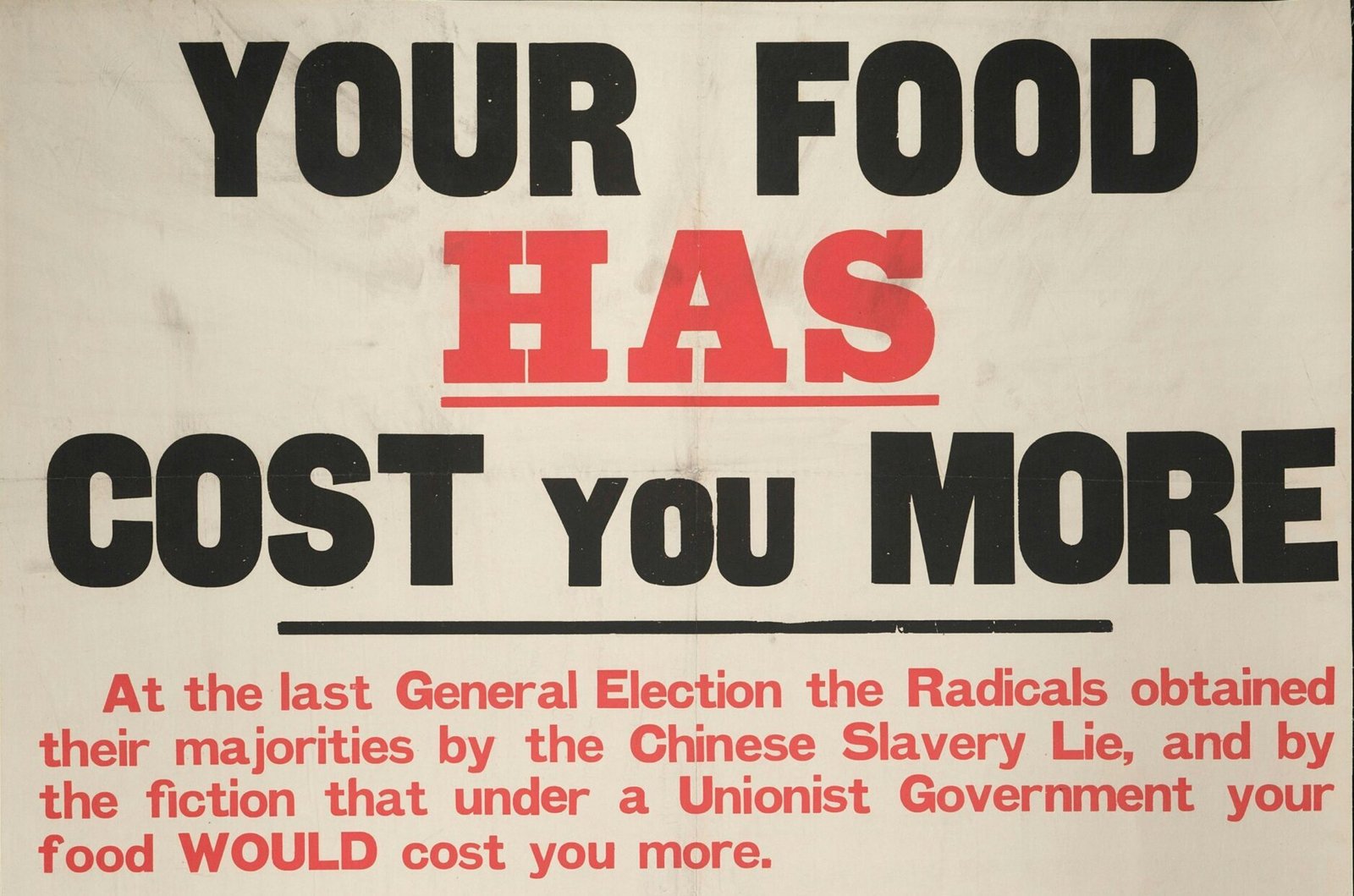
What is Inflation?
Inflation is an economic term that refers to the general increase in prices for goods and services over a period of time. This phenomenon results in a decline in the purchasing power of money, making it a critical area of focus for both policymakers and consumers. Understanding inflation requires an examination of various factors, how it is measured, and the types of inflation that can occur within an economy.
Inflation is typically measured using various economic indicators. The most prominent of these are the Consumer Price Index (CPI) and the Producer Price Index (PPI). The CPI gauges changes in the price level of a basket of consumer goods and services, reflecting the costs borne by everyday consumers. On the other hand, the PPI measures the average changes in prices received by domestic producers for their output. Together, these indices provide insights into the inflationary process, helping to track the overall economic health.
There are different types of inflation, each resulting from distinct economic conditions. Demand-pull inflation occurs when the demand for goods and services exceeds their supply, prompting prices to rise. This can often be seen in times of economic expansion when consumer confidence is high, leading to increased spending. In contrast, cost-push inflation arises when the costs of production for goods increase, due to factors such as rising wages or raw material costs, compelling businesses to pass those costs onto consumers through higher prices. Lastly, built-in inflation relates to the adaptive behavior of consumers and businesses, where expectations for future inflation lead to wage demands and price increases, creating a self-perpetuating cycle.
Understanding these fundamental concepts is essential for grasping the broader economic discussions surrounding inflation, which plays a significant role in shaping monetary policy, investment strategies, and personal financial planning.
Causes of Inflation
Inflation, the rate at which the general level of prices for goods and services rises, can be attributed to several interconnected factors. One primary cause of inflation is an increase in demand for goods and services, often referred to as demand-pull inflation. When consumer confidence rises, people tend to spend more, leading to higher demand. This can create upward pressure on prices, particularly if sourcing additional supply takes time. A real-world example of this is evident during the fiscal stimulus measures implemented in various economies, where increased disposable income propelled consumer spending and contributed to rising prices.
Another significant factor is rising production costs or cost-push inflation. This inflation occurs when the costs associated with producing goods and services increase, often due to higher costs of raw materials, labor, or transportation. For instance, fluctuations in oil prices can significantly affect production costs across numerous sectors. A notable instance includes the energy price hikes that impacted various industries, soaring prices of finished goods due to increased expenditure on fuel and transportation.
Furthermore, monetary policy changes also play a crucial role in inflation dynamics. Central banks, such as the Federal Reserve in the United States, may implement policies that contribute to inflation control or expansion. For instance, lowering interest rates tends to encourage borrowing and spending, stimulating the economy but potentially leading to inflation if not managed effectively. Additionally, external factors such as supply chain disruptions, as witnessed during the COVID-19 pandemic, can severely impact the availability of goods and contribute to price surges. Finally, global economic indicators, like international demand and currency fluctuations, may exert substantial pressure on domestic prices, further complicating the inflation landscape.
The Impact of Inflation on the Economy
Inflation plays a crucial role in shaping economic dynamics, influencing various sectors and individual financial decision-making. One of the primary effects of inflation is the erosion of purchasing power. As prices for goods and services rise, the same amount of currency buys fewer items, leading consumers to adjust their spending habits. Households may curtail discretionary spending, opting instead for necessities, which can shift the overall demand within the economy.
In addition to influencing consumer behavior, inflation significantly affects savings and investment strategies. When inflation rates are high, the real return on savings accounts diminishes, prompting individuals to seek alternative investment vehicles that can outpace inflation. This can lead to a greater demand for assets like stocks and real estate, as investors look to preserve and grow their wealth. Consequently, capital may flow out of traditional savings and into riskier investments, creating fluctuations in financial markets.
Furthermore, prolonged inflation can exacerbate income inequality. Those on fixed incomes, such as retirees relying on pensions, may struggle to maintain their standard of living as their income loses purchasing power. Conversely, individuals in positions to negotiate salaries or possess marketable skills may better navigate inflation’s effects, leading to a widening economic gap. Consumer spending patterns can also shift as lower-income households are forced to prioritize essential goods over luxury items, impacting various industries differently.
In conclusion, the impact of inflation on the economy is multifaceted, affecting purchasing power, savings, investments, and consumer behavior. Understanding these implications can help individuals and policymakers make informed decisions in an evolving economic landscape. Recognizing the broader social consequences of prolonged inflation is essential to address challenges related to economic disparities and consumer confidence.
Managing and Mitigating Inflation
Inflation presents challenges for both individuals and governments, necessitating proactive strategies to manage and mitigate its effects. For individuals, personal finance management is crucial during inflationary periods. One of the primary strategies involves adjusting personal budgets to reflect the rising costs of goods and services. This may include prioritizing essential expenses, limiting discretionary spending, and identifying areas where savings can be realized. Such adjustments can help individuals maintain their purchasing power, allowing them to navigate inflation more effectively.
Another effective strategy is diversification of investment portfolios. In an inflationary environment, certain asset classes, such as real estate or commodities, tend to retain value better than cash or fixed-income investments. By diversifying investments, individuals can hedge against the adverse effects of inflation and protect their financial futures. It is also advisable to consider investments that historically yield returns above the inflation rate, thus ensuring capital grows in real terms.
On a governmental level, effective policies are essential in managing inflation rates. Central banks often employ monetary policies, such as adjusting interest rates, to influence economic activity and control inflation. By raising rates, borrowing becomes more expensive, which can decrease consumer spending and investment, thereby slowing inflation. Conversely, fiscal measures, such as government spending adjustments and taxation policies, can also play a significant role in stabilizing the economy and curbing inflationary pressures.
A crucial aspect of both personal and governmental efforts to manage inflation is public awareness and education. By informing consumers about the dynamics of inflation and encouraging financial literacy, individuals are empowered to make informed decisions regarding their finances. Knowledge about inflation can help consumers adapt more readily, resulting in more resilient economic behavior over time.
In conclusion, effectively managing and mitigating inflation requires a multi-faceted approach involving both individual strategies and government policies. Understanding the implications of inflation, adapting personal finance management techniques, and emphasizing public education are vital components in navigating the economic landscape shaped by inflationary pressures.